Purpose in action
Our good food stories Building a resilient food system

Everybody is talking about white eggs: a lower carbon choice, without compromising on quality

19 June 2026

You might have noticed more white eggs in store as we start moving our own-brand range to white-shelled eggs, with the aim of making the full switch by 2028.

We know that might prompt a few questions. So, here’s a bit more about why we’re making the change and what it means for you.

What’s changing?

We’re gradually moving our own-brand eggs from brown shells to white shells, with the aim of making the full switch by 2028. All our own-brand eggs will continue to be 100% British, 100% Free Range and 100% RSPCA assured, with the same taste, quality, nutrition and price of our brown eggs - the main difference customers will notice is the colour of the shell.

Why are we making this change?

We sell millions of eggs every year and making this change will help us reduce carbon while still maintaining the great quality and nutrition our customers expect.

In fact, our life cycle assessment found that white eggs have a 12.7 per cent lower carbon footprint than our brown eggs. This has also been verified independently.

That’s largely because the hens that lay white eggs:

  • Live and produce eggs for longer
  • Use resources more efficiently

Across the millions of eggs we sell each year, that adds up and can make a real difference.

It’s not the only thing we’re doing to reduce our emissions, but it is one practical step that can help us lower emissions across our food supply.

Will they taste different?

No, the only difference is the shell colour.

White and brown eggs are the same when it comes to:

  • Nutrition – brown and white eggs are nutritionally identical
  • The same great taste and quality our customers
  • Produced to the same high standards
  • The same price

Shell colour simply comes down to the breed of hen, not how the egg is produced.

How are you making this change happen?

We’ve been working closely with our suppliers on this for the past three years to plan this change carefully and make sure it works well for farmers, customers and our supply chain.

That means:

  • Adapting supply in a way that works for British farmers
  • Maintaining the same high standards of quality and welfare
  • Ensuring a consistent, reliable supply for customers

What about animal welfare?

All of our own-brand eggs will remain 100% free range, just as they have been since 2009. They’ll also continue to be 100% British and RSPCA assured.

The hens that lay white eggs are generally known to be more docile and less prone to behaviours like feather pecking, which can support better welfare outcomes across flocks.

And as the change continues, we’ll keep working closely with our farmers to maintain - and improve - welfare standards.

Are you getting rid of brown eggs completely?

We’re moving our own-brand eggs to white shells as part of this change.

You’ll still see choice more widely through branded products and we’re managing the change carefully with our suppliers to help keep availability consistent.

What about the idea that brown eggs are “better”?

We know lots of people have grown up thinking brown eggs are more natural or better quality.

But there’s no difference in nutrition, taste or quality - it’s simply down to the breed of hen.

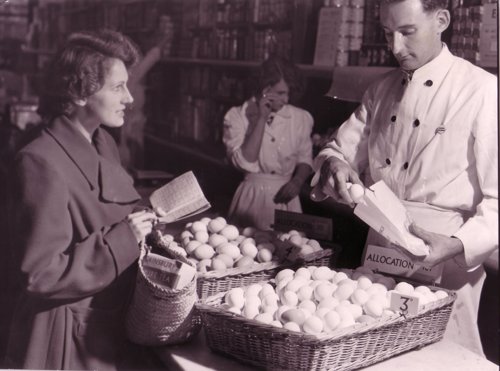
In fact, white eggs were the norm in the UK until the 1980s, and they’re still widely used around the world today.

Image © The Sainsbury Archive, London Museum Docklands

A step towards lower carbon food

There’s no single answer when it comes to reducing the impact of food production. But changes like this can help make lower-carbon choices part of everyday shopping, without compromising on the quality and taste our customers know and love.

Working with our partners for a more resilient egg industry


“We fully support Sainsbury’s transition to white eggs and have worked closely with them over the past three years to make it happen. In fact, we’ve partnered with Sainsbury’s for over 15 years and that long-term relationship gives us the confidence to invest in innovation like this, unlocking real benefits for farmers, sustainability and animal welfare.


“This move has the potential to reset the UK egg industry for the better. White birds, and the eggs they lay, tick all of the boxes on animal welfare, sustainability and increased volume of eggs, while continuing to offer the same great nutrition, delicious taste and price for customers.


“They are easier to manage, more efficient and lay more eggs over their lifetime - something that matters hugely to farmers. In fact, once our farmers have worked with white flocks, they rarely want to change back, which says it all.”

David Brass

CEO of The Lakes Free Range Egg Co

Spotlight on our eggs in the Lakes District with The Lakes Free Range Egg Co.

Eggs are an everyday staple, but they’re especially popular at Easter. And many of the eggs on our shelves start life on a family run farm in Cumbria. We travel to Penrith to meet David Brass, CEO of The Lakes Free Range Egg Co., and his family, a long standing Sainsbury’s supplier known for free range eggs with rich yolks that our customers love.

We explore why more white eggs are appearing on shelves. Working alongside the Woodland Trust, it’s a partnership that shows great eggs don’t happen by accident, but are the result of collaboration, care for nature and a shared commitment to protecting the landscapes our hens depend on.

You might also be interested in ...