


White eggs: lower carbon, just as delicious
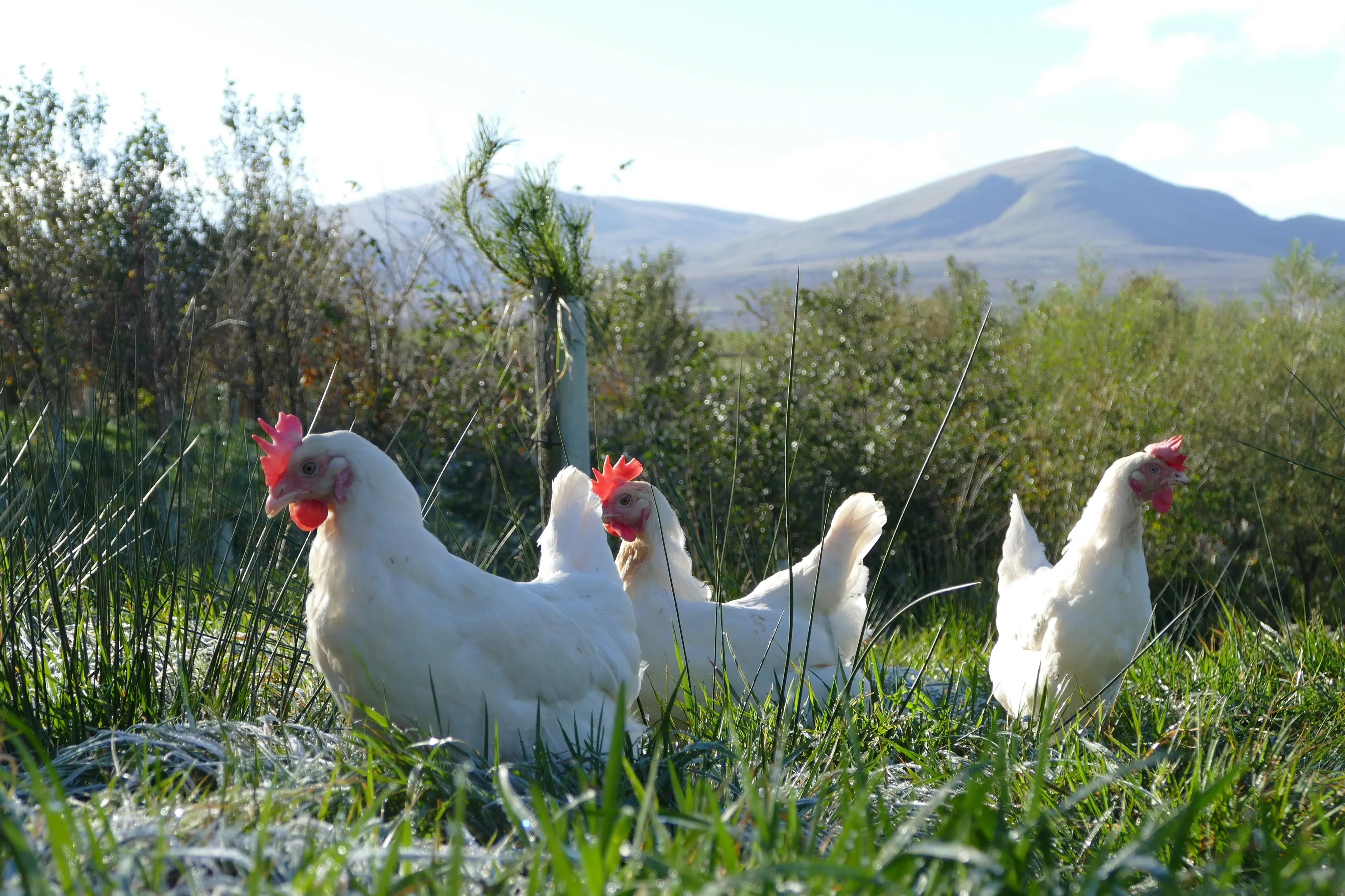
White eggs are becoming an exciting part of the future of sustainable British farming, and they’re every bit as delicious and nutritious as the brown eggs many of us are used to. In fact, white and brown eggs are identical in nutrition and quality, with the only difference being the colour of the shell.1 Working closely with our Sainsbury’s Egg Group Farmers and trusted supply partners, we’re transitioning so that our eggs will be laid by white feathered hens, who naturally produce white eggs.
These hens are known for their gentle, more docile nature, which helps support better health and welfare outcomes by reducing behaviours such as feather pecking. They also tend to have a longer laying life and require less feed for the same egg output, contributing to over 12% reduction in carbon emissions compared to brown hens.2
Because these hens use feed more efficiently, they indirectly help reduce demand on land and water used to grow feed crops, as well as the amount of manure produced, since their lifetime feed requirement is lower.1
Although white eggs may feel new to some shoppers in the UK today, they were once the norm and are still the most common type of egg produced globally. The UK shifted towards brown eggs in the 1970s because they were perceived as more natural, even though there is no nutritional or quality difference between them. White eggs simply offer a way to produce the same great eggs with a lighter environmental footprint.1
We have recently launched our Taste the Difference Golden Yolk white-shelled eggs which offer a lower-carbon alternative to brown eggs, while still delivering the exceptional taste, flavour and quality you expect As we continue this transition, one thing will stay exactly the same: 100% of our shell eggs will remain free range, just as they have been since 2009.
With the same great taste, the same cooking performance and the same high welfare standards, white eggs represent a positive step towards a more sustainable future for British eggs, with no compromise for you, your family or your favourite recipes.
1 We commissioned SAC Consulting (an independent leading consultant in carbon measurement) to conduct a Life Cycle Assessment (LCA) comparing the greenhouse gas emissions of white and brown eggs within our supply. The assessment demonstrated that, across the Sainsbury’s 2024 egg supply, white eggs have a 12.7% lower carbon footprint per kg of eggs than brown eggs, driven primarily by improved feed efficiency and a longer productive lifespan of white hens. The work was conducted to PAS 2050 standards, measuring carbon output from cradle to retail shelf, and included emissions from hatchery, rearing, laying, packing and transport. Data from Sainsburys’ egg supply chain was used, alongside scientifically recognised datasets, including Agrecalc and Ecoinvent 3.9.1 for benchmarking purposes when appropriate.